Kindness of Strangers for the Earth & Animals
Green Your Pets:
Spay and Neuter
Download my friend Patricia Dines, of www.askecogirl.info excellent information:
Protecting Your Family From Toxic Pet Products
And my blog:
Feeding dogs and cats an Earth friendly healthy diet

Pets are such a source of joy; science has proven that having an animal companion provides many physical and psychological benefits. But America’s more than 160 million owned dogs and cats surely impact the environment.
Get ‘Em Fixed
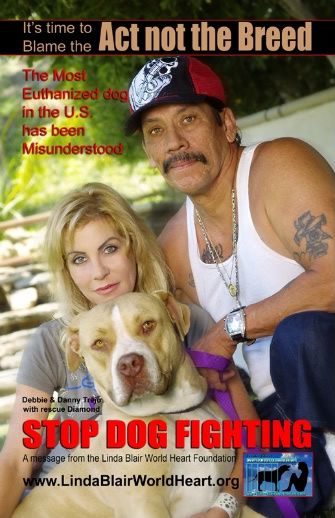
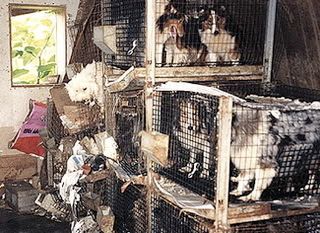
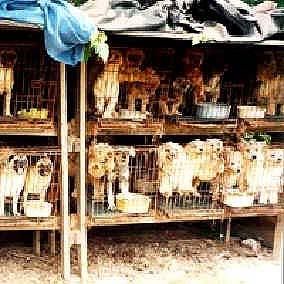
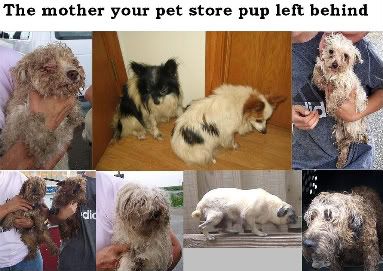
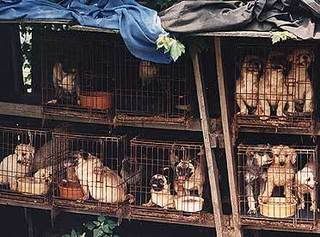
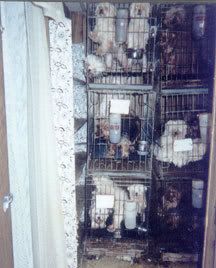
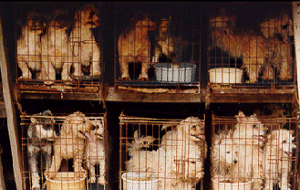
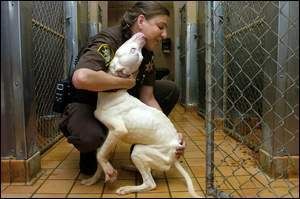
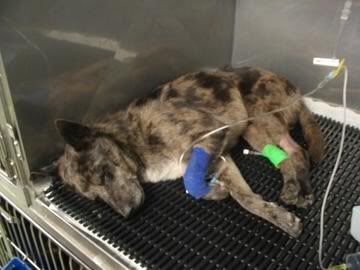
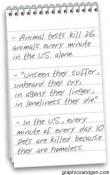
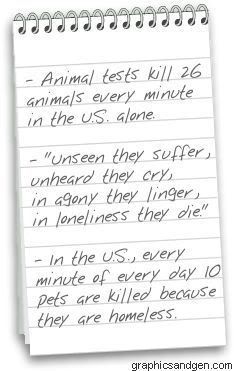
Animal overpopulation is an issue not only because up to 4 million shelter animals are euthanized in the U.S. each year,
but also because of the environmental impact of too many stray and
abandoned animals: they can harm local wildlife, deposit waste, and
spread trash. You can help curb the problem by having your pet spayed or neutered
source

The environmental impact
of pets
By Christie Keith, Special to SF Gate
Christie
Keith is a contributing editor for Universal Press Syndicate's Pet
Connection and past director of the Pet Care Forum on America Online.
She lives in San Francisco.
So, you got up one
morning, looked in the mirror, and vowed to reduce your carbon
footprint. That backyard composting project you'd been putting off for
years? Definitely time. The stack of newspapers by the kitchen table?
Going to the recycling center this week, you swore.
And then
your cat rubbed against your ankles, asking for her breakfast. You
opened the box of cat food and shook the last of the kibble into her
bowl, and tossed the empty box into the trash. The noise brought your
dog into the kitchen, looking for a walk and his breakfast, too.
While
you were driving the few miles to the dog park, you hit the
drive-through espresso place, your engine idling while you waited your
turn. You sat on the bench at the park watching your dog play with other
dogs, sipping a latte and chatting with other early-morning dog
walkers, maybe about your newfound resolution to be a better
environmental citizen.
You called your dog, hoping he'd pooped
while you were otherwise distracted, threw your empty coffee cup into
the trash can, and headed back home. You didn't stop at the bank or post
office because it was too warm to leave the dog in the car, so you'd
have to make a second trip later that day.
When you got home, you
opened a can of dog food and mixed it with some kibble. You threw the
can away, and then dumped your cat's litter into a plastic bag, and
threw that away, too. Then you got back in your car to do those errands
you'd had to put off when you were out earlier with the dog.
This
isn't a lesson in spotting hypocrisy, nor even a subtle message that
people who let their dogs poop without picking it up are jerks.
(Although they are — so much for "subtle.") It's really nothing more
than a checklist of a few of the ways humans impact the environment with
the decisions we make about caring for our pets.
In this
column, I'm going to look at the environmental impacts of pet ownership,
some of which are fairly obvious and some of which most of us rarely
consider. Then in my next column, I'll examine the solutions to these
problems, and even provide a glimpse into ways that sharing our lives
with companion animals improves the planet.
What goes in must come out
From
that not-​so-​fragrant pile on the sidewalk to the cat litter box
hidden in the laundry room, the biggest piece of the pet pollution
puzzle is poop. Whether you dispose of it in the trash, flush it or
leave it where it falls, it's a problem.
America's 73 million
dogs produce around 10 million tons of dog poop per year — 6,500 tons of
that in San Francisco alone, making up around 4 percent of the city's
total residential waste. The litter from America's 90 million pet cats
results in around 2 millions tons of cat litter being sent to landfills
each year. Making the problem worse, clay-based litters aren't
biodegradable, as they're already in their final state of decomposition.
While there are regional composting operations that accept dog
and cat waste (I'll have more on that in my next column, as well as on
an innovative San Francisco solution to the dog poop problem), getting
rid of used cat litter and dog feces is one of the most difficult
challenges for the green-minded pet owner. Feces left in gardens, parks,
empty lots, and on the streets will run off into storm drains and
waterways, contaminating them with bacterial waste that can cause human
and wildlife diseases.
Compliance rates on canine
pooper-​scooping vary wildly from community to community. Some areas
actually hire commercial poop removal services because local dog owners
aren't picking up after their pets, while many dog parks are
self-policed to such an extent that before your dog has finished
squatting, six people are hollering at you: "Clean up after your dog!"
But even the most conscientious poop-scooping dog owners might be
picking up their dog's feces with a plastic bag, creating serious
problems as the degradable poop is sealed inside a non-degradable bag
that will spend something close to eternity in the landfill, along with a
couple million tons of similarly-​enshrouded cat litter.
While
dog feces can be safely disposed of in the toilet, used cat litter
should never be flushed. Modern waste treatment doesn't kill a pesky
organism known as
toxoplasma gondii. When water containing this
parasite enters the ocean, it sickens and kills sea otter populations.
Toxoplasma also causes disease in humans, especially the
immune-​compromised and pregnant women.
Disposing of used cat
litter is only half the problem. The other half is figuring out what to
use as litter in the first place. Clay-based cat litters are not a
by-product of the manufacture of something else, but produced by strip
mining. The clay, known as bentonite, is found under several layers of
soil, which are removed in the mining process. The first few inches of
clay are discarded, and the final clay is removed and processed into cat
litter. When it comes to "green" products, you don't get much less
green than that. (Some more planet-​friendly options will be discussed
in my next column.) [posted below]
Back to 'what goes in'
In
addition to the difficult problem of pet waste, there's also the stuff
that creates the waste in the first place: pet food. Just as with human
food, pet food is the tip of the iceberg on a whole host of
environmental challenges.
Even people who spend hours at Whole
Foods reading labels and querying the butcher about the life and death
of that night's dinner often just grab the nearest brightly-​colored
sack or box for their pets. I used to argue with the owner of a small
health food store in Sonoma County -- who wouldn't even sell organic or
grass-fed meat or chicken for people because she believed eating animals
was cruelty -- about the really terrible pet food she carried. Not only
were they low in quality but their meat sources were far less
consistent with her store's supposed humane and ecological values than
the free-range and organic meats she wouldn't carry.
If you're a
consumer who is concerned about the impact of factory farming on the
environment (and if you think cat poop is a problem for the environment,
let's talk about high-volume hog farming sometime), the source of the
meat products in your pet's food deserves as much scrutiny as the source
in your own. If you only buy locally grown, organically raised produce,
try to support sustainable methods of agriculture, and seek out meats
raised and slaughtered in ways you find humane, you might be surprised
to find out how hard it is to apply those same standards to your pets'
food.
It can also be harder to "buy local" when using commercial
pet foods. Even companies located nearby might manufacture their foods
in plants in other states, using ingredients shipped in from all over
the world. Nearly every vitamin supplement used in this country is
made in China,
and, as this year's pet food recall taught us, so are many of the raw
ingredients of pet foods. The environmental cost of packaging, shipping,
storing, and distributing those sacks and cans of pet food has to be
tallied, along with the convenience of using them.
Speaking of
packaging, how do you dispose of the empty containers? While dog poop
might make up 4 percent of San Francisco's solid waste, product
packaging makes up one-third of the stuff sent to landfills. Boxes,
bags, and food containers make up the single largest segment of that
sold waste stream, although there are no statistics indicating what
percentage of that is from pet food. But every pet food can, box, pouch
or sack tossed in the trash ends up in a landfill. While some pet food
manufacturers, such as San Diego's Honest Kitchen, are switching to
post-consumer recycled packaging, and some packaging, such as cardboard
boxes, is easily recycled, pet food product packaging unquestionably
makes a bad situation worse.
Cheap plastic imported crapIf
the pet poop problem reminds anyone of the disposable diapers problem,
then it won't be a surprise to know that pets and kids share another
issue: toys.
Imported plastic toys in bright colors fill the
aisles of pet supply stores pretty much the same way they fill the
aisles of toy stores. Manufactured in countries where environmental
regulations are lax or irregularly enforced, shipped into and all over
the United States, these cheap goods usually don't last long. The broken
toys end up in the landfill and we head back out into the stores in
search of yet more cheap plastic crap.
Unlike children, who have
their consumer desires fostered by a whole marketing machine aimed right
at them, our pets really don't care if they have the same cool stuff as
the cat and dog next door. In fact, cats are usually much happier with a
paper bag to play with, and our dogs can't see those bright plastic
colors in the first place. We're buying that stuff for us, not for them.
Location, location, locationWe
drive our pets to the groomer, the vet, the park, doggy day care. Their
food, toys, combs, brushes, and other supplies are shipped from
locations all over the country, or even all over the world. When you get
right down to it, it's all about the gas.
Of course, not every
pet owner lives walking distance from a park, veterinarian, groomer, or
doggy day care any more than they live near their children's schools,
their hairdresser or their own workplaces. Sometimes that twice-daily
drive to the dog park is a necessity rather than a choice. And because
it's not a good idea to leave dogs in the car while we do other errands,
particularly on warm days, it's hard to bunch trips to the dog park
with grocery shopping and returning the DVDs. Because dogs suffer more
from heat than humans do and driving with the windows open isn't always
safe when there are pets in the car, sometimes we have to use our air
conditioners more when transporting the dog.
But whether a matter
of choice or necessity, all those miles of driving have a cost, one we
pay for once at the gas station and again in environmental harm.
Drugs, shampoos, and chemicals
People
rarely dispose properly of their own unused medications and garden
pesticides, and this is no less a problem when it comes to drugs and
chemicals used for our pets. Unfortunately, knowledge about proper
disposal of chemicals or the waste of animals who are on certain
medications is not widespread, and many people have simply never thought
about the issue at all. But from the shampoo you cheerfully rinse off
your dog in the backyard to the medications you flush down the toilet
(or into the storm drain in your pet's urine or feces) or the flea and
tick control product containers you toss into the trash can, the
contamination of the country's water supply with antibiotics,
pesticides, and industrial chemicals is a problem that, while not
limited to pets, certainly includes them.
These unwanted residues
are known as "emerging pollutants of concern" or
"​microconstituen​ts.​"​ When they enter the environment, even at very
low levels, they can help contribute to the development of
drug-resistant bacteria, affect the central nervous systems of animals
exposed to them, contaminate ground and surface water, and harm aquatic
life such as fish and frogs.
The great outdoor cat debate Because
the indoor-outdoor cat debate is such a vast and contentious issue, it
definitely deserves its own column. I promise it's coming in the future,
but for now, let's just say that whichever side in this unending battle
is right, there's no argument that free-roaming pet cats urinate and
defecate in other people's backyards, vegetable gardens, and planter
boxes, and cats can have at least strong localized impacts on wildlife.
Cats who are kept indoors have a much smaller carbon paw print than cats
who are free to roam, but, depending on location and who you ask, half
or fewer of all cats live indoors all the time.
What you can doI'm
a pet writer, a lifelong dog and cat owner (although currently
catless), and a passionate believer in the bond between humans and
animals. All our decisions, including those we make about our pets,
impact the planet in some way. In my next column, I'll cover the many
ways that pet owners can reduce the carbon paw print of their dogs and
cats, and one way in which pets actually reduce environmental damage and
help make the planet a healthier and better place for all species.
Part 2:
what you can do The environmental impact of pets, Part 2: what you can doEasy Changes: StuffWant
to lighten the load just a little? America's pet product manufacturers
are ready to help. Welcome to the wonderful world of recycled and
recyclable pet products!
The outside story. Pet food, pet
toys, pet supplies, pet cleaning and grooming aids, pet medications --
pretty much all of it has one serious environmental problem, and that's
packaging. Just as with products intended for humans, those seeking to
be more eco-friendly should try alternatives such as bulk buying and
using products that come in recycled and recyclable packaging.
Even
cardboard boxes used for dry pet foods are not always recyclable, as
some of them are lined with metal or plastic to prevent food spoilage.
Check the bottom of the packaging for recycling information.
Always
dispose of drugs, pesticides, shampoos, chemicals and the containers
they come in safely. Federal guidelines for the safe disposal of
human medications
apply to veterinary drugs as well. Flea control products, as well as
many pet shampoos and dips, need to be disposed of carefully as well,
according to
EPA, state, and local guidelines.
The inside story.
Then there's the stuff itself. Fortunately, there's no shortage of pet
toys and supplies made with recycled, degradable, and recyclable
materials -- in fact, annual sales of "green" pet products are estimated
to reach over $1 billion this year. So for your own pets, or the
eco-friendly pet owners on your holiday shopping list, consider some of
these toys and supplies:
•
SmartyKat
A complete line of cat toys, treats, and beds using recycled and
recyclable materials. Some favorites include the SuperScratcher,​ as
well as several play-​encouraging and interactive toys.
•
PoochPlanet From the same folks who brought us SmartyKat, dog toys, treats, and beds made with recycled materials -- including a line of
dog beds
filled with recycled plastic bottles. According to the company, their
customers kept 30 million recycled bottles out of the waste stream last
year alone.
•
West Paw Design
This Montana-based company makes dog and cat toys and beds using
recycled and organic materials, including the popular Organic Bumper Bed
and the Eco Nap Mat.
•
Planet Dog
This company makes two toys out of pre-consumer recycled materials,
and the toys themselves are recyclable. They also make collars, leashes,
and harnesses using hemp, a sustainable, degradable, and recyclable
fiber.
•
Everyday Studio Cat Trees
Designed by San Francisco artist Susan Kralovec, these cat trees are
made of corrugated cardboard, with 35 percent minimum recycled content.
Materials are non-toxic and low VOC.
•
Earthbath Grooming Products
They're free of phosphates and enzymes, and are biodegradable. They
also sell in bulk for professional use, or for those who want to
minimize packaging waste.
Where's it from? The pet
food and toy recalls of products made in China have made most of us
aware that many things we buy for ourselves and our pets are made all
over the globe, and that not all countries have similar manufacturing
standards. Even products made locally might contain ingredients and
materials that came from all over the world, with the attendant
ecological fuel cost.
Some companies, such as
PlanetDog.com,
have made a commitment to re-locating their manufacturing plants closer
to their market. Others like West Paw started out with that commitment,
and still make their line of dog and cat toys and beds in Bozeman,
Montana. Always investigate where the products you buy for your pets are
made, as well as how far the ingredients and materials used to make
them had to travel to get there.
Pet service businesses. Businesses use stuff, too. If you're looking for an eco-friendly place to board your dogs and cats, San Francisco's
Pet Camp was founded by two former EPA staffers, and is certified as a
Green Business
by the City and County of San Francisco. While they're the only
pet-related business to receive such certification, eco-aware pet owners
might want to check with other pet service businesses they use. Does
your dogwalker use biodegradable poop bags? What kind of shampoo does
your groomer use?
Bigger Changes: The Ins and OutsFirst, the "out."
Pet poop is polluting storm water and, when it is enshrouded in
non-degradable plastic bags, taking up landfill space. High levels of
canine-origin fecal bacteria have been found in bodies of water into
which surface water drains, and sea otters have been sickened and killed
by a parasite found in the feces of some cats. Many common brands of
cat litter are non-degradable and are produced by strip mining. So what
do you do with all that pet waste?
When it comes to pet poop, there are a few options.
Flush it. The best place to dispose of dog poop is the toilet, and yes, there are
flushable pooper scooper bags.
For
used cat litter, the situation is less clear. Some litters are produced
specifically to be flushable, and for cats who don't carry the parasite
Toxoplasma gondii, that's a good solution. But around half of
all cats do, and their feces should not be flushed. Even those indoor
cats who were infected in the distant past can, under some
circumstances, still shed cysts in their feces, so before you decide
your cat is one of those who don't, have your veterinarian run a T.
gondii titer test on your cat. If the test is negative, and your cat has
no opportunity to eat soil, prey or any form of raw meat, then you're
probably safe to put flushable cat litter down the toilet.
Toss it.
Big dogs mean big poop, and lugging dog waste back home and flushing it
isn't always the most practical solution. The next-best course is to
use a degradable scooper and toss the poop in the trash.
If your plumbing system can't handle flushable cat litter, or your cat is
T. gondii
positive, goes outdoors, eats raw meat, or doesn't like flushable cat
litter, the next-best option is to use a degradable recycled litter and
dispose of it in the trash in a degradable container such as a paper
bag. Litters are available made from post-consumer newspaper, as well as
degradable plant materials such as wheat, corn, and cellulose. Clay
litters are produced by strip mining and do not degrade, so unless your
cat is one of the ones who doesn't care about the environment but does
care about his special litter not being replaced, they're not the best
ecological choice.
Products that can make tossing pet waste more eco-friendly include:
•
Biobags' Doggie Waste Bag, probably the most common choice.
•
Scooperbox , a fully degradable cardboard scooper made from 100 percent recycled materials.
•
Dispoz-a-scoop combines the best of both methods, and is a degradable plastic bag with a rigid cardboard frame.
•
Feline Pine
Made of reclaimed pine dust from lumber yards. Degradable. The company
says the product is flushable but labels the product with a warning
about T. gondii transmission.
•
World's Best Cat Litter Degradable and flushable. Made from corn.
•
Yesterday's News
Made from recycled newspaper -- the company says a "significant
portion" of that is post-consumer, and also says that "most" publishers
today use safe inks, and their manufacturing process neutralizes all ink
residues. Degradable but not flushable.
•
SWheat Scoop
Made from wheat. Degradable, and claims to be "the only litter on the
market that's certified flushable in sewer or septic systems by the SGS
U.S. Testing Company."
•
Green Tea Leaves Litter
Made of pre-consumer manufacturing waste, this litter contains just
wood dust and green tea. It clumps, it controls odor, and it's
degradable and flushable.
Let it rot. Can you
compost pet waste? It depends on who you ask. Pretty much everyone
recommends against using compost made with any fecal material on food
crops, but s
tudies done in Alaska found that properly handled compost made using dog poop got hot enough to break down into clean, usable compost.
If you want to try composting dog poop and used degradable (non-clay) cat litter in your own garden,
CityFarmer.org
has step-by-step instructions and even a video demonstration. You can
also try one of a number of in-ground mini-septic systems such as the
Doggie Dooley Pet Waste Disposal System.
Many
cities around the world are trying different approaches to dog waste
disposal. San Francisco is testing a method that doesn't just reduce the
dog poop carbon pawprint, but creates energy instead of waste.
Sunset Scavenger
processes dog poop in a methane digester, where bacteria turn the waste
into methane gas. Methane can be used just like natural gas, and can
also be used to produce electricity.
Now, the in: Food. If supporting humane and sustainable agriculture with your shopping dollars is important to you, consider
making your pets' food yourself,
out of fresh, locally produced ingredients. That way, you can control
the quality of the ingredients just as you do in your own diet, and also
eliminate all the wasteful shipping, storing, packaging, and
advertising that goes along with the multi-billion dollar pet food
industry.
I've been making my pets' food for almost 23 years now,
and it's easier than most people think, but if it's not for you, some
commercial foods are more eco-friendly than others. It's not enough just
to buy foods that claim to be "natural" or "healthy," but meats,
grains, and vegetables that are produced in accordance with the
regulations of the California Certified Organic Farmers and other
independent third-party certifiers such as Oregon Tilth must meet
certain standards of sustainability in their production. There are also
small, local companies that may be producing pet foods using locally
grown, sustainably produced ingredients. A few companies that offer
sustainably raised and/or certified organic meats in their pet foods:
•
By Nature Organics
Organic products are certified by Oregon Tilth. They make both dry and
canned cat and dog foods. Not all foods are organic, so read labels.
•
Castor & Pollux Organics
A complete line of both canned and dry cat and dog foods, plus treats.
Products vary in how much of their content is organic. USDA Organic
certification.
•
Primal Pet Foods
Their produce is certified organic, and they claim "All of our meats,
poultry and game are purchased through farms and ranches that take pride
in producing wholesome sources of protein through natural, sustainable
agriculture." Their foods are sold frozen and are intended to be fed
raw. They are located in the San Francisco area.
•
Karma Organics Dry food and treats for dogs using 95 percent certified organic ingredients, including meat. USDA Organic certification.
Dogs
and cats are both members of the order carnivora, and evolved eating
the flesh of prey animals. Some people worried about the environmental
impact of meat diets want to make their carnivorous pets into
vegetarians or even vegans. Although a vegetarian diet is possible for
both species, a vegan diet is at best controversial and at worst,
dangerous for an obligate carnivore such as the cat.
For those
who want what's best both for their pets and the planet, there's a
middle road. Most of meat's bad rap belongs not to livestock raising per
se, but to industrialized,​ high-volume farming practices. Locally,
groups such as
SF Raw
seek out small, local farmers and ranchers who raise their livestock
using sustainable methods such as pasturing and grass feeding, and
practice environmentally​ careful agriculture, and buy their meat, eggs,
and other products in bulk. This saves money as well as minimizing
shipping. Groups like this one exist nationwide and are listed at
DogAware.com.
Not convinced?
Although dogs and cats are the most popular pets in America, there are
many herbivorous animals who make wonderful companions. By no means
should anyone give up their current pets, but if the consumption of meat
is an important issue for you, consider a pet such as a rabbit in the
future. Rabbits make wonderful companions, and there are many of them in
need of homes. And, as pet columnist
Gina Spadafori writes, ecologically, it doesn't get much better than a bunny:
A
rabbit is better than a garbage disposal. It's true: You can give a
rabbit all your green kitchen trimmings and he'll eat them with
enthusiasm, no electricity required. Then he'll produce lovely waste
that will super-charge your compost pile, providing you eventually with
the most luscious rich compost for your garden. So you can grow more
lovely vegetables, giving him the trimmings, and on it goes. The circle
of life, without the petro-​chemicals!​
Indoor vs. outdoor cats.
While this doesn't exactly match the "in and out" I was talking about,
cats who roam freely do have a greater impact on the environment than
cats who are kept indoors or only allowed into safe outdoor areas.
Because it's a big topic, the indoor/outdoor cat debate and ideas for
enriching the lives of indoor cats will be the subject of a future
column. Nevertheless, it's a fact that keeping cats indoors with access
to safe outdoor enclosures will protect wildlife from their predation,
keep cat feces and urine from contaminating soil and water, and prevent
your cats from contracting T. gondii. If your cats do roam, consider
using a collar with a bell on it to alert birds to their presence. And
while I've never tried it, there's also a
cat bib that supposedly prevents cats from harming birds.
The Biggest Step of All: Thinking about it another wayIt
may seem that humans keeping and caring for companion animals puts a
strain on the planet. But the balance isn't as unequal as it might seem
at first glance. Sharing our lives and homes with animals has the
potential to make us better environmental citizens -- and better people,
too. I know, because that's what happened to me.
Back in the
80s, I was the typical over-achieving workaholic. I lived in San
Francisco, stopped every morning for my triple-shot latte at the CafŽ
Flore, and spent the whole day indoors working, and most of my evenings
in clubs, theaters, and restaurants. My main form of recreation was
shopping.
And then in 1991 I adopted my dog Colleen from the
Peninsula Humane Society, and all of that changed. Every morning I went
to the dog park or the beach, and every evening I walked her all around
our quiet neighborhood. I started seeing things I'd never paid any
attention to before: The stars. Flowers growing on the side of the road.
Birds in the trees and the skies. On our trips to the Bay Area's state
and county parks, we saw bobcats, coyotes, snakes, and jackrabbits. Once
I even saw a mountain lion off in the distance. I began not just to see
but to care about the natural world in a way I never had before.
Even
if it can be challenging to reduce our pets' carbon pawprint, I'd argue
that their net ecological impact is positive. That's because in seeing
the world through the eyes of our animals we come to both know and care
about the natural world. The saying "God invented the cat so that man
might caress the tiger" doesn't only mean that we get to have a tiny bit
of the wild in our laps at night; it also means that a little piece of
our heart goes out into the wild.
Perhaps most importantly, the
human-animal bond fosters compassion not just for our pets, but for all
living creatures -- other humans included. An open heart is never a bad
thing, for us, for the planet, and for the other people and animals with
whom we share the earth.
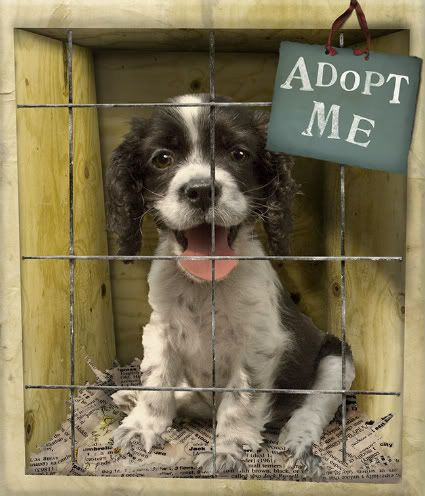
One last word about recycling. My dog
Colleen was one of the millions of second-hand animals who are waiting
for a home in America's shelters, pounds, and rescue groups. They say
love is better the second time around, so if you're ready to bring
another pet into your home, perhaps you can practice some of what I've
preached on an animal who needs a second chance.








 ..
..